
Thursday October 29, 2026
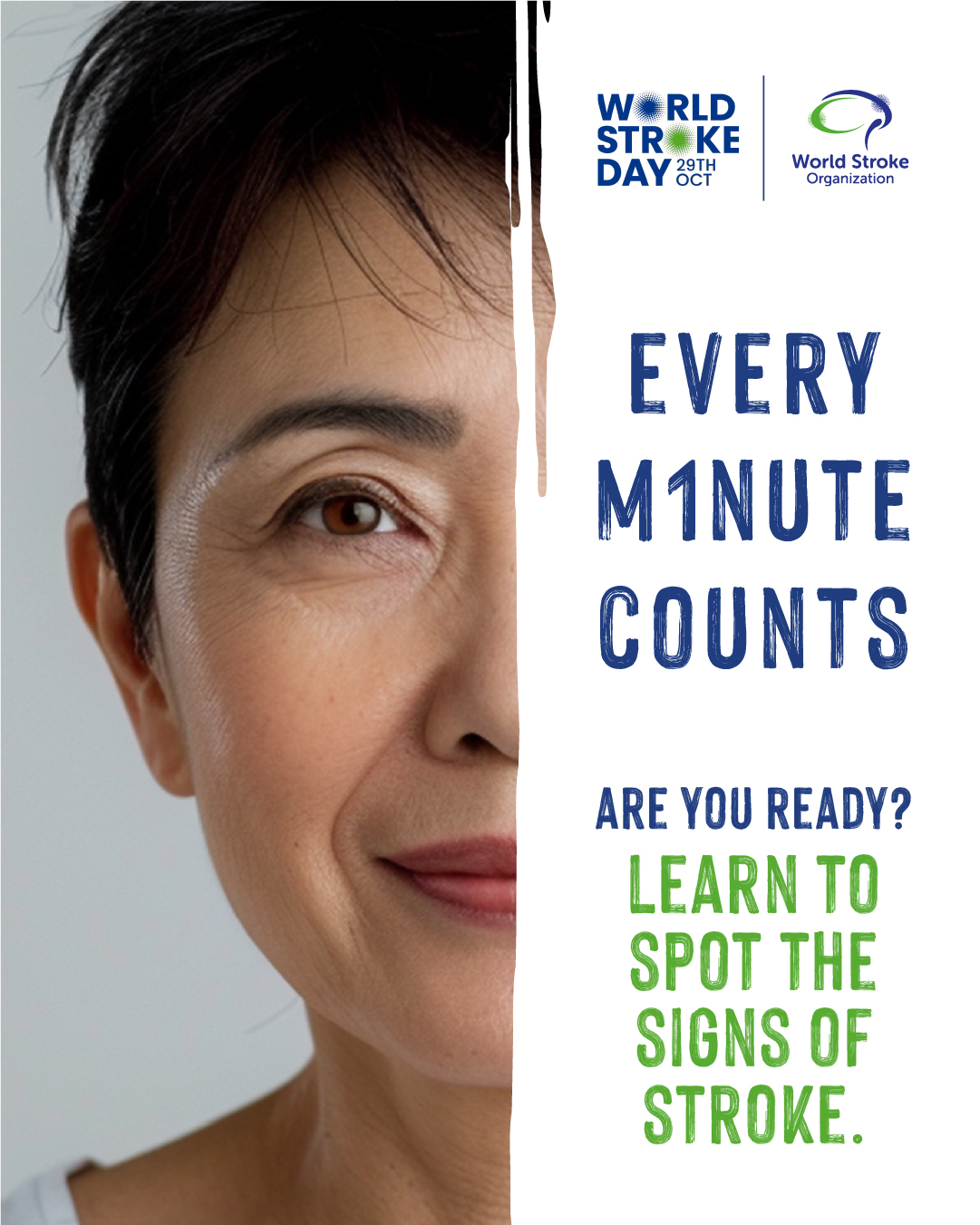
Every year, World Stroke Day (29 October) reminds us of an important message: stroke can happen to anyone, at any age, and recognising the signs quickly can save a life. That’s why the award-winning Eastern Health Stroke team is asking you to remember a simple message for World Stroke Day: Act FAST.
FAST is an easy way to remember the most common signs of stroke:
F – Face: Has one side of the face dropped? Is the person unable to smile evenly?
A – Arms: Can they lift both arms, or does one arm drift down?
S – Speech: Is their speech slurred, confused, or difficult to understand?
T – Time: If you notice any of these signs, call emergency services immediately.
Even if symptoms seem to improve or disappear, it is still vital to seek urgent medical attention. A stroke is a medical emergency, and every minute counts.
Many people are surprised to learn that 1 in 4 adults worldwide will experience a stroke during their lifetime. Stroke occurs when blood flow to part of the brain is interrupted, preventing the brain from getting the oxygen and nutrients it needs. When this happens, brain cells begin to die within minutes.
A saying in stroke health care is, “Time lost is brain lost.”
This means that the longer a stroke goes untreated, the greater the risk of permanent brain damage, disability, or death. Getting to hospital quickly can allow access to treatments that may reduce the effects of a stroke and improve the chances of recovery.
Stroke can affect a person’s ability to move, speak, think, swallow, see, and carry out everyday activities. However, advances in stroke care mean that many people can make significant recoveries when treatment is provided early.
This World Stroke Day, take a few moments to learn the FAST signs and share them with family, friends, colleagues, and neighbours. You never know when this knowledge could help save someone’s life.
Stroke does not wait, and neither should we. By recognising the signs and acting quickly, we can all play a role in reducing the impact of stroke and helping more people get the care they need when every second matters.
Remember: Face. Arms. Speech. Time. Act FAST. Save lives.